Trump vs. Fed: Rate Hike Revives Central Bank Independence Debate
The Federal Reserve unanimously raised rates a quarter point, defying Trump's calls for cuts and reigniting tensions over central bank independence.
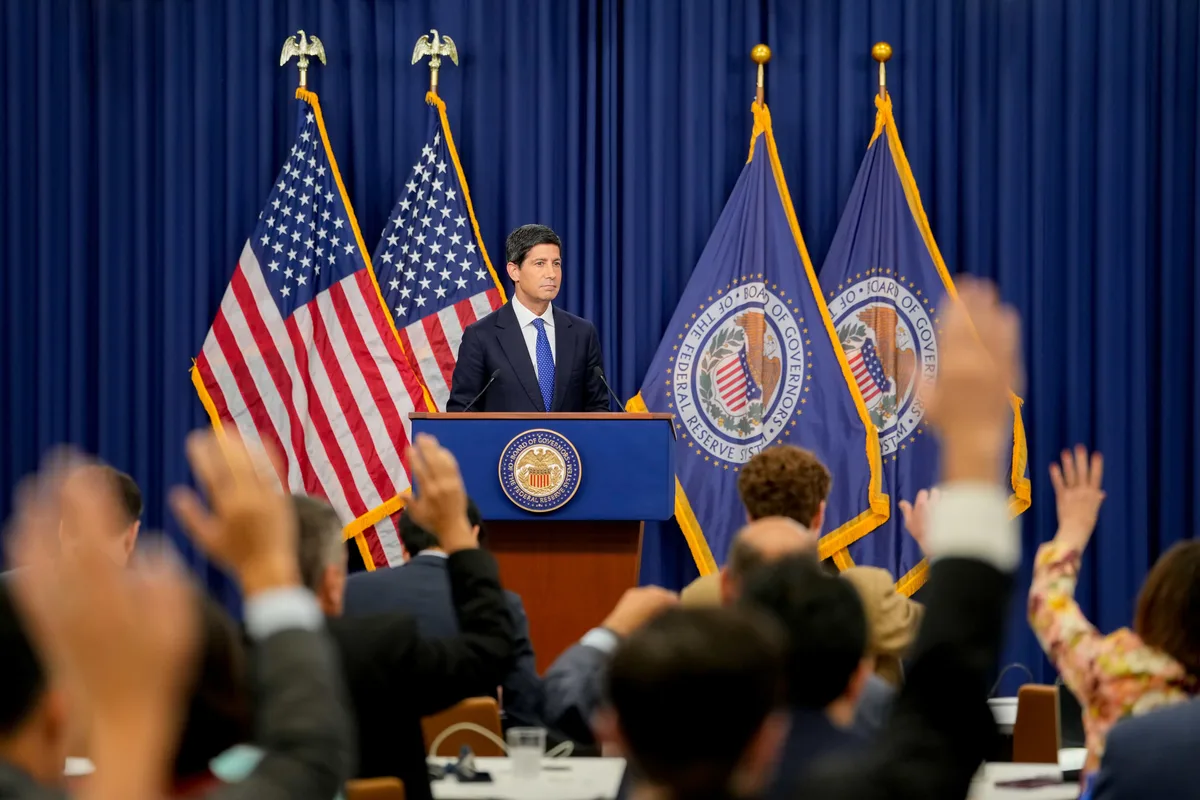
The Federal Reserve voted unanimously to raise its benchmark interest rate by a quarter of a percentage point, a decision that came despite persistent public pressure from President Donald Trump urging policymakers to lower borrowing costs. The move immediately renewed scrutiny over the longstanding question of whether the White House can or should influence monetary policy.
Trump has been vocal in his criticism of the Fed's rate trajectory, arguing that lower rates would stimulate economic growth. The central bank's unanimous decision signals that its policymakers remain aligned in their current approach, at least for now, presenting a unified front against executive branch pressure.
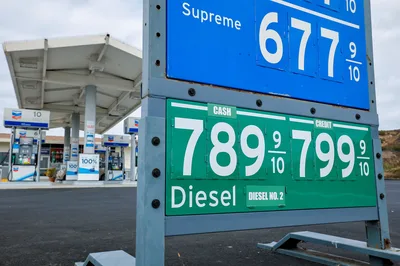
Read more Record Diesel Prices Threaten to Ripple Across U.S. Economy →
The standoff carries broader institutional implications. The Fed's political independence has historically been regarded as a cornerstone of sound monetary policy, shielding rate decisions from short-term political considerations. Any sustained effort by the administration to interfere with that independence could unsettle financial markets and raise questions among international investors about the reliability of U.S. monetary institutions.
Analysts note that the confrontation between the White House and the central bank is unlikely to dissipate quickly, particularly if economic conditions do not shift in a direction that would give either side political cover. The composition of the Fed's board and future appointments remain a key variable in how this tension ultimately resolves.
Continue reading at US Top News and Analysis.