Iran Conflict Could Cost U.S. Households Up to $1,700 Each
Surging oil prices and Treasury yields are squeezing American consumers, with estimated costs reaching $1,700 per household.

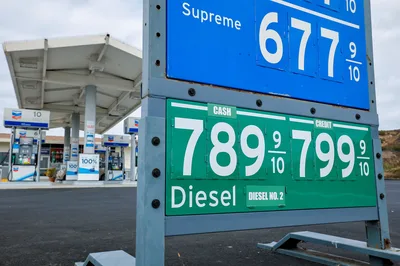
A widening conflict involving Iran is delivering a compounding financial blow to American consumers, as rising oil prices and climbing Treasury yields drive up both energy and borrowing costs simultaneously, according to analysis published by CNBC.
The dual pressures are estimated to cost U.S. households roughly $1,700 each, a figure that reflects higher spending at the gas pump combined with elevated interest rates on mortgages, auto loans, and credit cards — expenses that tend to track movements in Treasury yields.
Read more Record Diesel Prices Threaten to Ripple Across U.S. Economy →
As costs rise, consumers appear to be compensating by drawing more heavily on personal savings, a trend that analysts warn could weaken household financial resilience if the pressures persist. Savings drawdowns at this scale can signal deteriorating consumer confidence and foreshadow slower spending growth across the broader economy.
Oil markets are particularly sensitive to geopolitical instability in the Middle East, given the region's central role in global crude supply. Any sustained escalation involving Iran carries the potential to keep energy prices elevated for an extended period, amplifying the burden on American families already contending with a higher-rate environment.
The convergence of energy inflation and tighter credit conditions represents one of the more direct channels through which overseas conflict translates into domestic economic stress for ordinary Americans. Continue reading at US Top News and Analysis.