Record Diesel Prices Threaten to Ripple Across U.S. Economy
Surging diesel costs are hammering transportation first, but sustained high energy prices could spread economic pain far beyond trucks and rails.
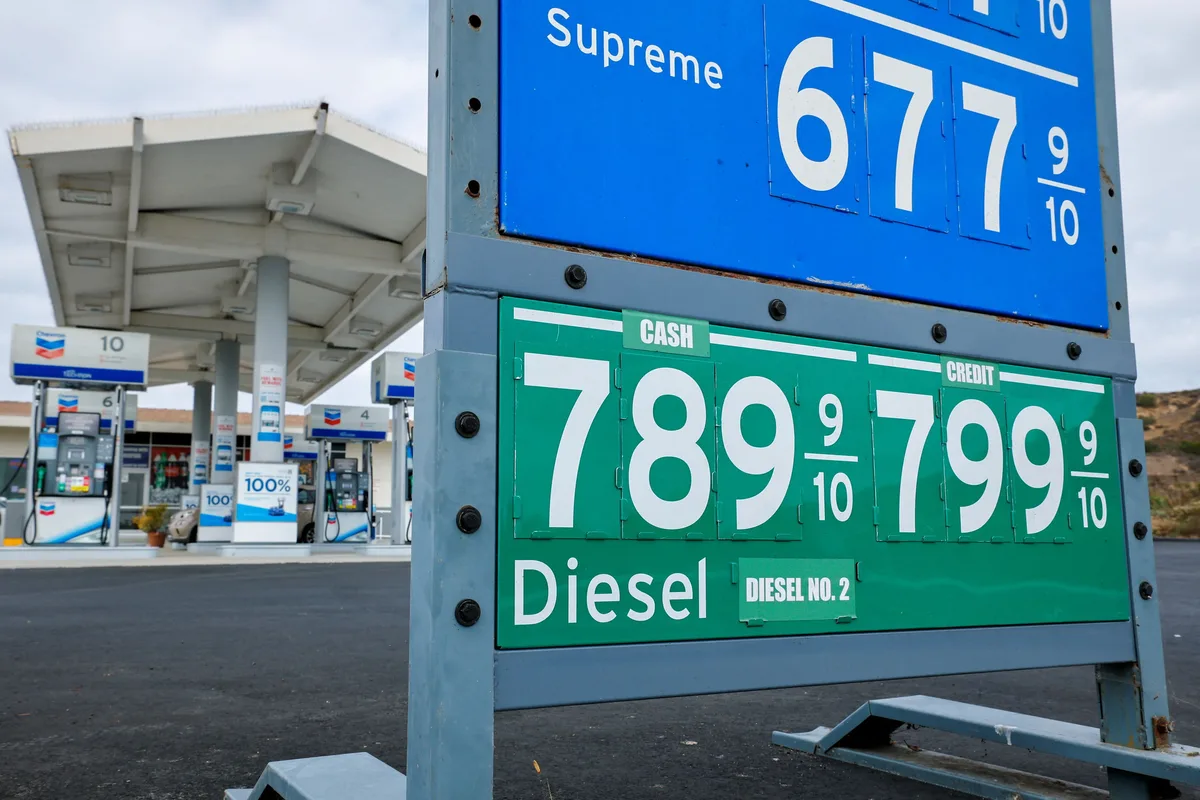
Record diesel prices are striking at the heart of the U.S. transportation network, with trucking and rail operators absorbing sharply higher fuel costs that industry analysts warn could cascade through virtually every sector of the American economy.
Trucks and freight trains move the overwhelming majority of goods across the country, meaning elevated diesel costs translate almost immediately into higher operating expenses for carriers. When those costs cannot be absorbed, they are passed along the supply chain — ultimately landing on businesses and consumers already contending with broad inflationary pressure.
Read more Bessent Leverages Bond Market Role to Press Japan on Spending →
The timing compounds existing economic stress. Supply chains have yet to fully normalize following pandemic-era disruptions, and businesses operating on thin margins have limited capacity to cushion further input-cost shocks. Agriculture, manufacturing, and retail are among the sectors most exposed, given their dependence on freight movement at scale.
Economists note that diesel functions as something of a hidden tax on commerce: unlike gasoline prices, which consumers see daily at the pump, diesel's impact tends to surface gradually in the cost of delivered goods, construction projects, and food distribution — making the full economic effect harder to track in real time but no less significant.
Whether the broader damage remains contained depends heavily on how long energy prices stay elevated. A sustained period of high diesel costs, analysts caution, could reinforce inflationary trends at a moment when policymakers are already straining to bring price growth under control. Continue reading at US Top News and Analysis.