Fed Statement Changes Under Warsh: What Shifted in FOMC Language
The Federal Reserve released a new FOMC policy statement. Here is what changed from the prior July meeting.
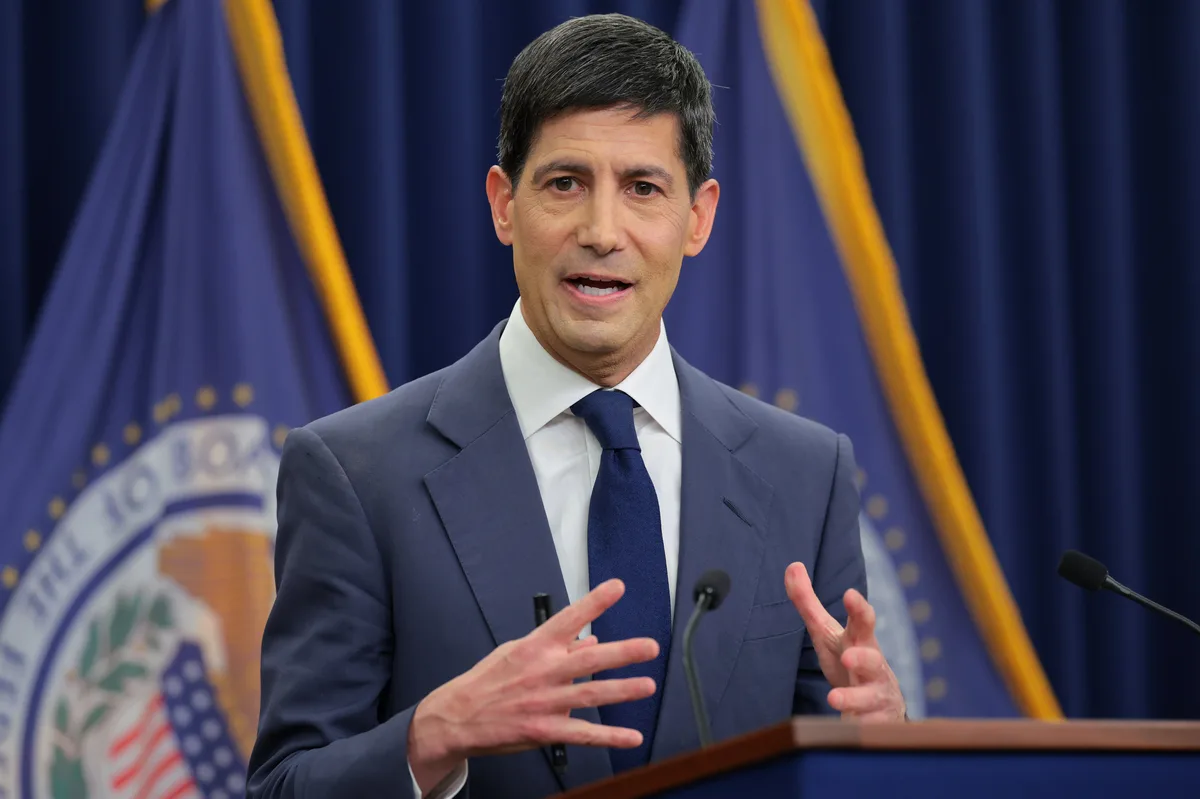
The Federal Reserve's Federal Open Market Committee issued a policy statement Wednesday, marking the first such release under new leadership as Kevin Warsh's influence on the central bank's communications came into focus. The statement drew immediate attention from analysts and market participants tracking subtle shifts in the Fed's official language.
A side-by-side comparison with the FOMC's July statement reveals changes in wording that can carry significant implications for interest rate expectations, economic outlook assessments, and the Fed's overall policy posture. Even minor alterations in phrasing — such as adjustments to language around inflation, employment, or the pace of future rate decisions — are closely parsed by traders, economists, and policymakers worldwide.
Read more Record Diesel Prices Threaten to Ripple Across U.S. Economy →
The FOMC statement serves as one of the Fed's primary communication tools, offering forward guidance to financial markets and the broader public. Changes between consecutive statements often signal evolving thinking among committee members about the trajectory of monetary policy, making each word choice a deliberate and consequential decision.
Under Warsh, observers have been watching for any rhetorical departures from the framework established by his predecessor, particularly regarding how the committee characterizes economic conditions and its commitment to its dual mandate of maximum employment and stable prices. The precise nature of the language changes in Wednesday's statement had not been fully detailed in the source material beyond the comparison framework itself.
Continue reading at US Top News and Analysis for the full line-by-line breakdown of the updated FOMC statement.