De-Dollarization: Why BRICS Rhetoric Outpaces Reality
BRICS nations keep calling for local-currency trade, but the US dollar's dominance remains largely intact despite years of bold declarations.
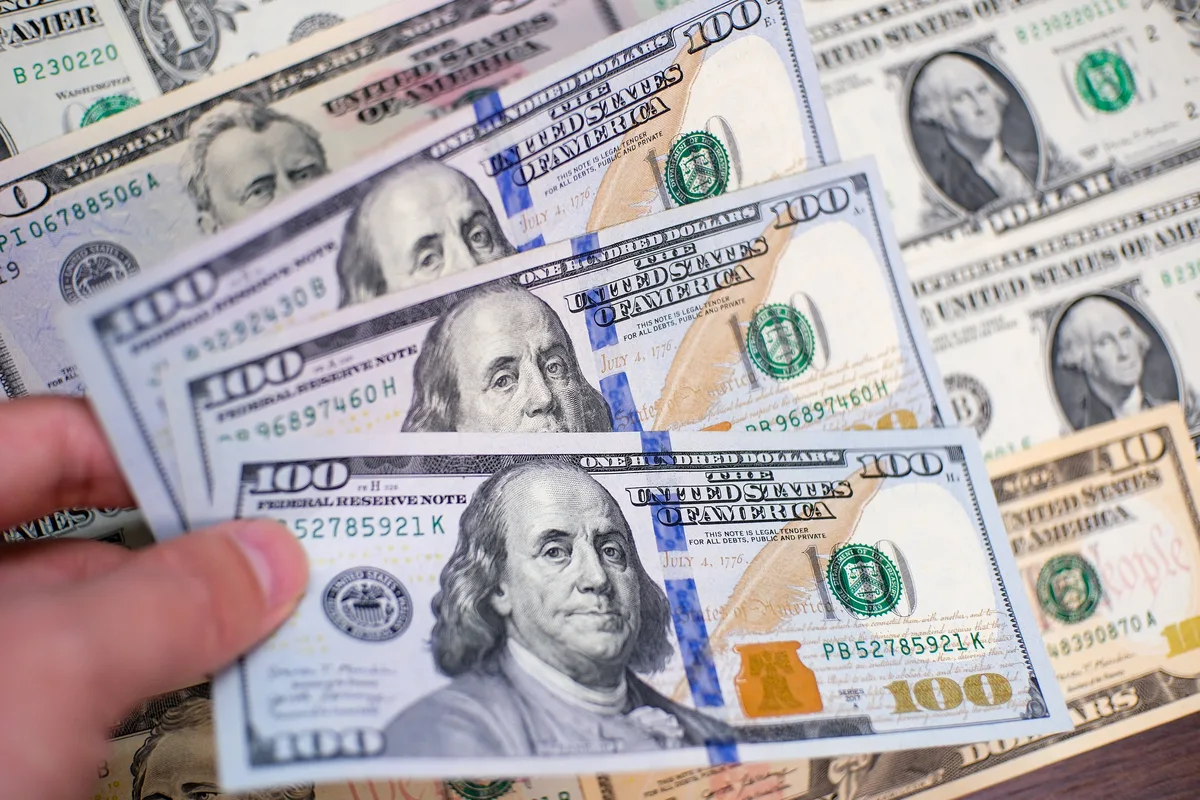
Despite repeated calls from BRICS leaders to reduce reliance on the US dollar, concrete steps toward de-dollarization remain limited, with the gap between political ambition and economic reality growing more apparent.
Leaders within the bloc — which includes Brazil, Russia, India, China, and South Africa — have consistently championed the use of local currencies for intra-BRICS trade, framing the shift as a strategic priority to reduce exposure to dollar-denominated financial systems and the geopolitical leverage they carry.
Read more Record Diesel Prices Threaten to Ripple Across U.S. Economy →
Yet analysts note that the structural dominance of the dollar in global trade, commodity pricing, and foreign exchange reserves makes any near-term displacement unlikely. The dollar's entrenched role in international financial infrastructure is not easily dismantled by summit declarations alone, no matter how forceful the language.
The challenges are compounded by tensions within the BRICS grouping itself. Member nations hold divergent economic interests, currency stability concerns, and varying degrees of financial integration with Western markets, making a unified alternative monetary framework difficult to coordinate in practice.
The discussion around de-dollarization may serve important diplomatic signaling purposes for BRICS governments, but financial markets and international institutions have yet to register the kind of behavioral shifts that would indicate genuine momentum away from dollar primacy. Continue reading at US Top News and Analysis.