White House Press Pool Explained: Why the Media Ban Matters
Trump's ban on three news outlets from the press pool raises questions about public access to presidential activities.
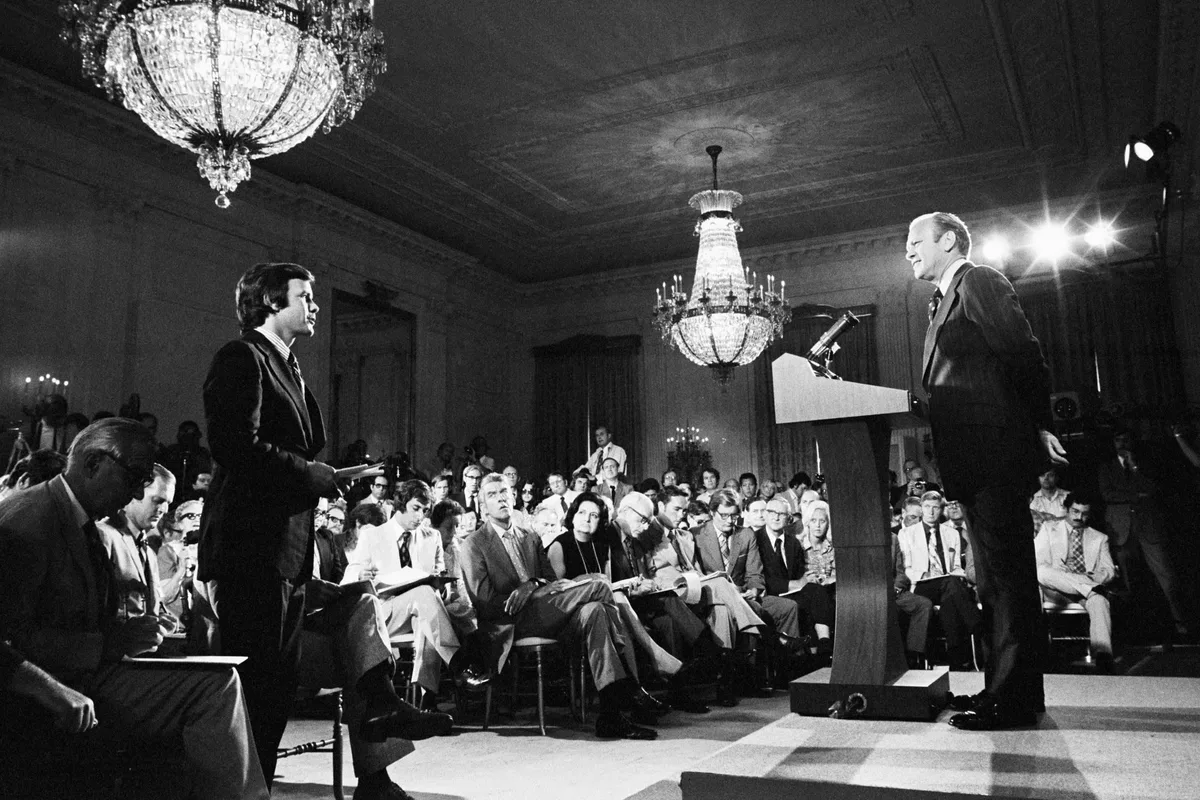
The White House press pool is a rotating group of journalists assigned to follow and document the president's movements and public actions at all times, serving as a critical conduit between the executive branch and the American public. When the president travels, holds meetings, or makes statements, pool reporters relay that information to the broader press corps and, ultimately, to citizens nationwide.
The arrangement exists because it is logistically impossible for all credentialed journalists to accompany the president everywhere. A smaller rotating group — drawn from print, broadcast, wire services, and photo agencies — attends events on behalf of the entire media community, sharing their reports and images widely. This system has functioned as a cornerstone of presidential transparency for decades.
Read more Eli Lilly CEO: Medicare GLP-1 Coverage Adds 700,000 New Senior Users →
The Trump administration's decision to bar three news outlets from participating in press pool rotations could significantly curtail independent documentation of the president's day-to-day conduct. When outlets are excluded, the range of perspectives covering any given presidential moment narrows, potentially leaving gaps in the public record that would otherwise be filled by competitive, independent reporting.
Media-access disputes at the White House are not without precedent, but formal exclusions from the pool carry particular weight because they affect not just one organization's coverage but the collective journalistic resource shared by the entire press corps. Critics argue such bans amount to government interference with the free flow of information, while supporters of access restrictions often frame them as exercises in executive discretion over who enters controlled spaces.
The debate over press pool access ultimately centers on the degree to which the public can monitor its elected leadership — a principle that underpins democratic accountability in the United States. Continue reading at US Top News and Analysis.