Eli Lilly CEO: Medicare GLP-1 Coverage Adds 700,000 New Senior Users
Some 700,000 seniors began GLP-1 therapy after Medicare expanded coverage in July, with 70% choosing Eli Lilly drugs.
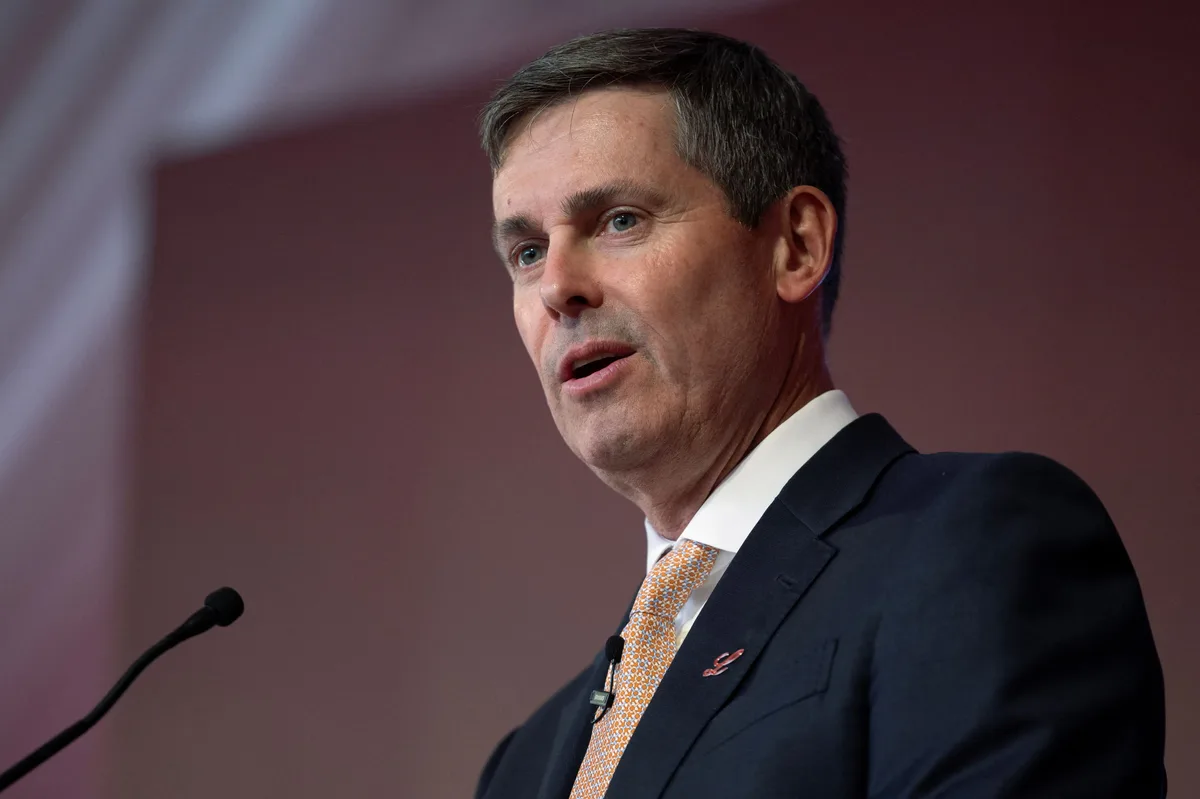
About 700,000 newly eligible seniors have started taking GLP-1 medications since Medicare extended coverage for the drug class, Eli Lilly's chief executive said, with roughly 70% of those patients choosing a Lilly product. The figures offer the most concrete look yet at how the federal coverage expansion, which took effect in July, is reshaping access to a category of medicines that had previously been out of reach for many older Americans on fixed incomes.
The disclosure came directly from Lilly's CEO and signals that the company is emerging as the dominant beneficiary of the policy shift. GLP-1 drugs, originally developed to treat type 2 diabetes, have attracted enormous demand for their weight-loss and cardiovascular benefits, but high list prices had long limited their reach among Medicare-eligible patients who lacked adequate coverage.
Read more Trump Super PAC Holds $415.8M as Midterm Spending Lags →
The 700,000-patient figure represents early-stage uptake in a potential market that could eventually encompass tens of millions of seniors, making the Medicare coverage decision one of the most consequential reimbursement moves in recent pharmaceutical policy. Analysts and industry observers have been closely watching utilization data to gauge whether cost-sharing requirements and formulary placement would dampen initial demand.
Lilly's 70% share of new senior starts underscores the competitive advantage the Indianapolis-based drugmaker holds in the GLP-1 space, where it competes primarily with Denmark's Novo Nordisk. How that market share evolves as more seniors cycle through the coverage benefit will be a key indicator for investors and policymakers alike.
Continue reading at US Top News and Analysis.