US Regulators Move to Fill Crypto Rules Gap After Senate Stall
State and federal regulators are stepping up efforts to establish crypto guidelines after comprehensive legislation failed to advance in the Senate.
State and federal regulators are accelerating efforts to establish a working framework for cryptocurrency oversight after the Clarity Act failed to clear the Senate, leaving a significant regulatory void in one of the fastest-growing financial sectors in the United States.
The legislative stalemate has prompted agencies at both the state and federal levels to take matters into their own hands, moving to draft rules and guidance that would otherwise have been addressed through unified congressional action. The breakdown underscores the difficulty of reaching bipartisan consensus on digital asset policy even as the crypto market continues to expand.
Read more Republicans Hold $103M Cash Edge Over Democrats Before Midterms →
The push by regulators reflects growing urgency among financial watchdogs who argue that the absence of clear rules creates risks for consumers, investors, and market stability. Without a federal framework in place, a fragmented patchwork of state-level regulations risks inconsistent standards and compliance burdens for crypto businesses operating across jurisdictions.
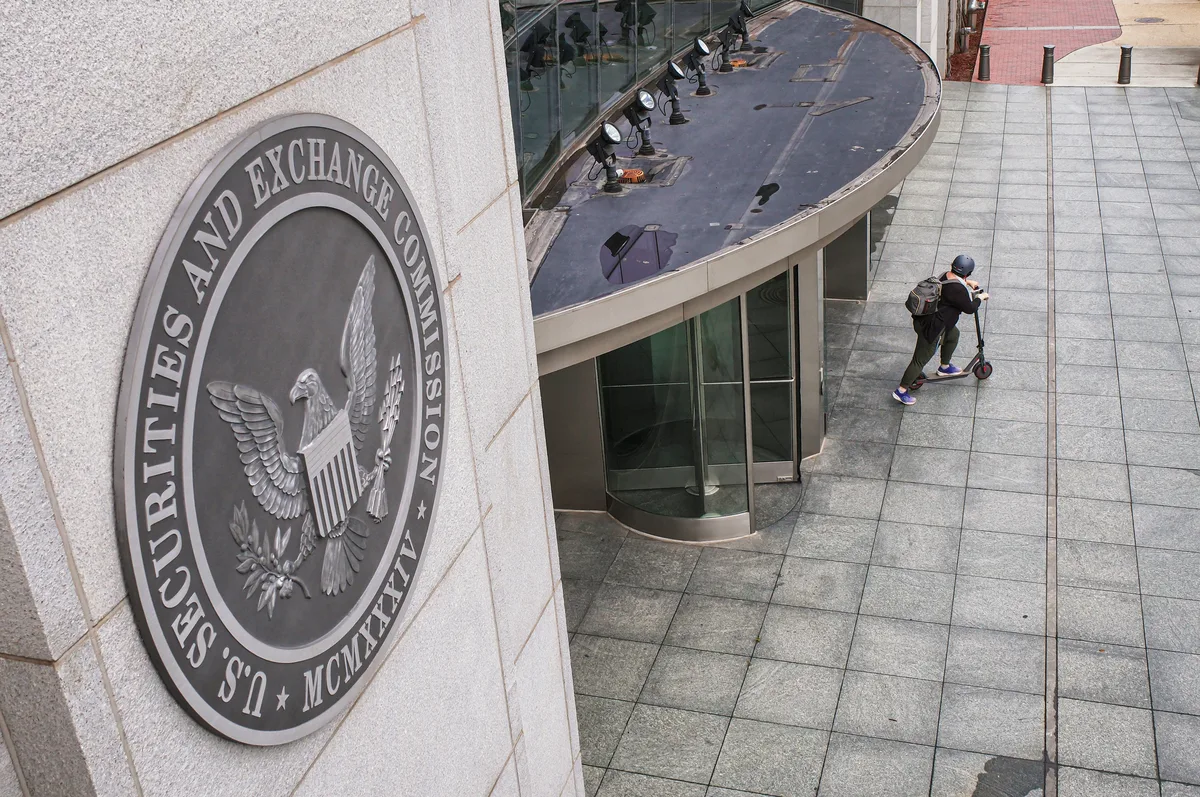
The Clarity Act had been positioned as a landmark attempt to define how existing securities and commodities laws apply to digital assets, a question that has been at the center of years of legal disputes between crypto firms and agencies such as the Securities and Exchange Commission and the Commodity Futures Trading Commission. Its failure to advance in the Senate leaves those boundary lines largely unresolved.
The regulatory scramble that follows is likely to shape how the crypto industry operates in the near term, even as lawmakers are expected to revisit the legislation in future sessions. Continue reading at US Top News and Analysis.