VIX Climbs to 18 as Markets Weigh Bond Risks Against AI Concerns
The Cboe VIX volatility index rose to 18 Monday, signaling growing market unease over competing risks from bonds and artificial intelligence.
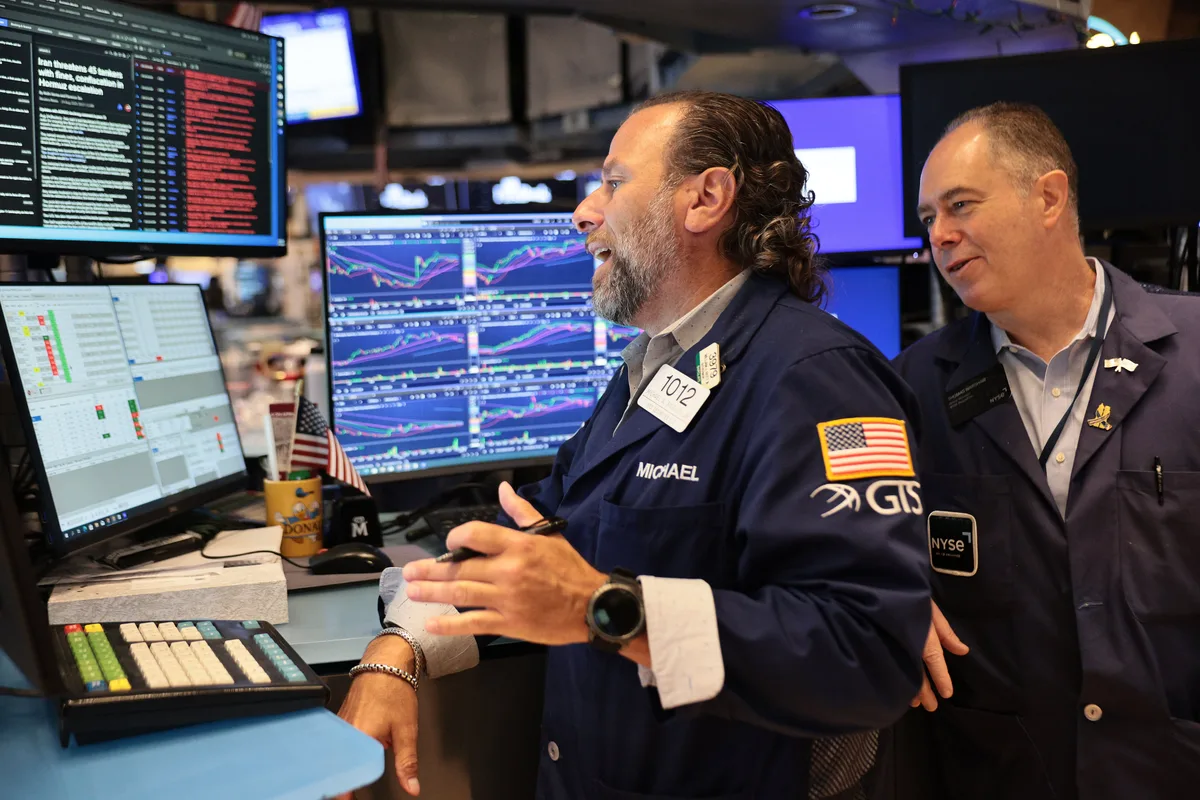
Wall Street's closely watched fear gauge edged higher Monday as investors grappled with two competing forces: rising tensions in the bond market and mounting uncertainty around artificial intelligence valuations. The Cboe Volatility Index, known as the VIX, climbed to 18, a level that analysts often interpret as a sign of moderate market stress.
The VIX tracks expected 30-day volatility in the S&P 500 and is widely used by traders and institutional investors to gauge overall market sentiment. A move to 18 from lower levels suggests participants are pricing in a greater chance of near-term price swings, though the reading remains well below the extreme fear thresholds seen during major market dislocations.
Read more Trader Mike Khouw Spots More Upside in Energy Sector Amid Oil Rally →
The question of what poses the greater threat to equities — pressure from the bond market, which can raise borrowing costs and compress stock valuations, or AI-related risks, including overheated technology sector expectations — has become a central debate on trading desks. Both forces carry the potential to reshape risk appetite across asset classes simultaneously.
Market observers note that the VIX's behavior in the coming sessions could offer meaningful signals about which risk factor investors are treating as more urgent. Bond market volatility tends to affect rate-sensitive sectors broadly, while AI-related concerns are more concentrated in growth and technology stocks, making the VIX a useful, if imperfect, barometer for separating the two narratives.
Continue reading at US Top News and Analysis.