House Clears Path for 100% Tariffs on Russian Oil Buyers
Legislation advances that would let Trump impose steep tariffs on nations purchasing Russian oil, putting China and India in the crosshairs.
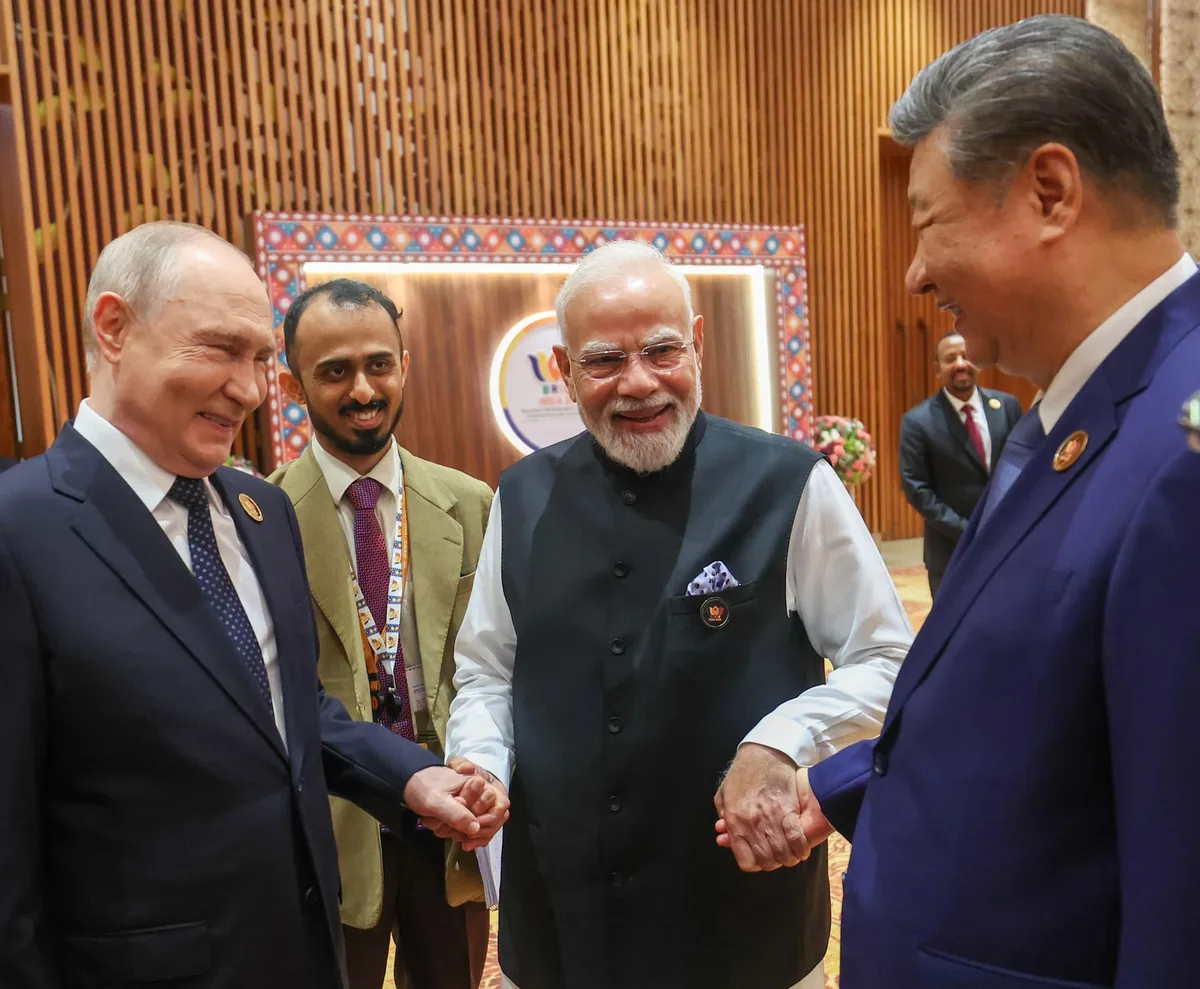
The U.S. House of Representatives has advanced legislation that would grant President Donald Trump authority to impose tariffs of up to 100% on countries that purchase Russian oil, a move that could significantly reshape Washington's economic pressure campaign against Moscow and create fresh friction with two of the world's largest emerging economies.
China and India, both of which have continued to import Russian crude at discounted rates since Moscow's invasion of Ukraine, would be among the most exposed nations under such a measure. The legislation hands the White House a significant new coercive instrument, though whether Trump would deploy it — and against whom — remains an open question given the complex diplomatic relationships involved.
Read more Rep. Chip Roy Backs AI Oversight Hearings, Opposes New Rules →
The potential tariff authority represents a notable escalation in the toolkit available to the administration, layering energy-trade penalties on top of existing geopolitical leverage. Analysts have noted that threatening sanctions on Russian oil purchases has long been discussed in Western policy circles, but statutory backing from Congress would give such threats greater legal weight and credibility.
Both Beijing and New Delhi have resisted Western pressure to curtail their Russian energy imports, arguing that their energy security interests are paramount. A credible tariff threat could complicate trade negotiations already strained by broader tariff disputes between Washington and both countries, raising the stakes considerably for all parties involved.
The practical application of such a law would ultimately depend on White House discretion, leaving markets and trading partners in a state of uncertainty about when or whether Trump would pull the trigger on tariffs that could reverberate through global energy and trade flows. Continue reading at US Top News and Analysis.