Fed Rate Hike: How It Affects Your Loans and Savings
The Fed's latest quarter-point rate increase will ripple through consumer borrowing costs and savings yields across multiple financial products.
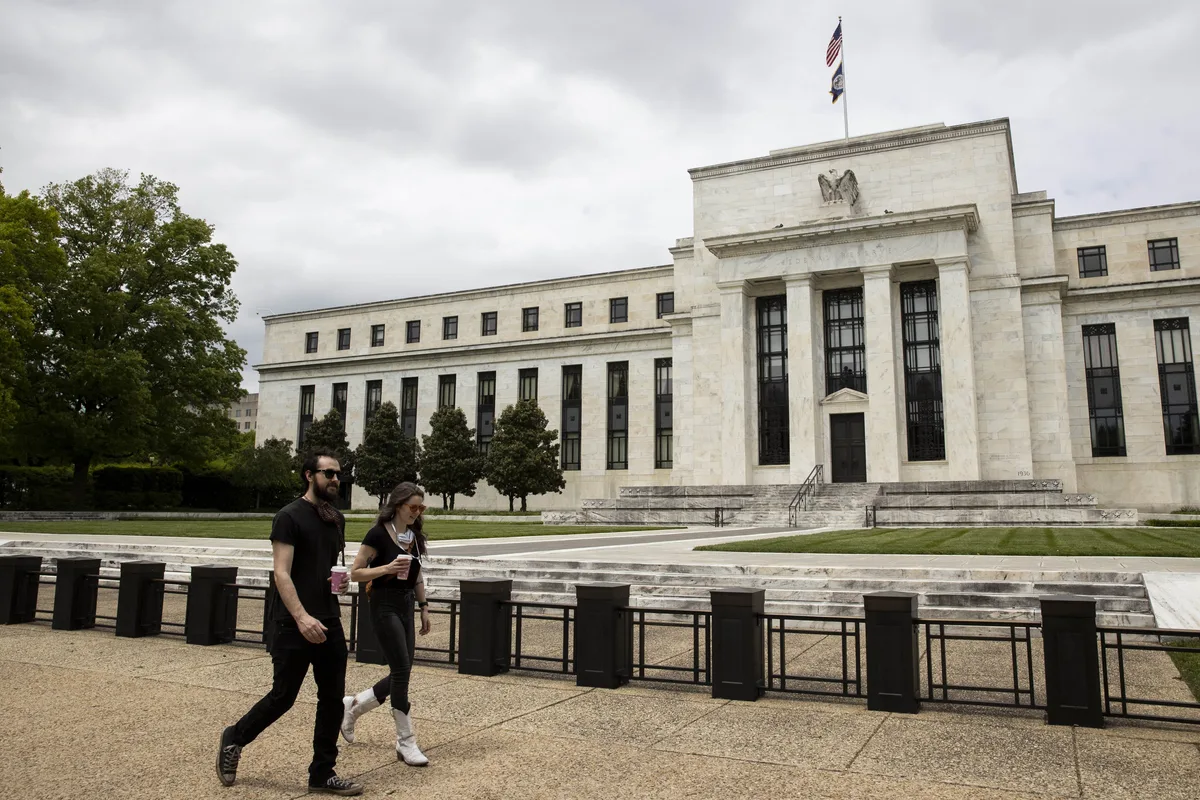
The Federal Reserve's decision to raise its benchmark interest rate by a quarter of a percentage point is set to affect a broad range of everyday financial products, from the credit card balances consumers carry month to month to the interest earned on basic deposit accounts.
For credit card holders, the impact tends to be swift. Most credit cards carry variable interest rates tied directly to the Fed's benchmark, meaning cardholders can expect their annual percentage rates to climb within one or two billing cycles following the central bank's move.
Read more How AI Stock Volatility Could Impact Your 401(k) Savings →
Mortgage borrowers face a more complex picture. While fixed-rate mortgage rates are influenced more by bond market movements than by the Fed directly, adjustable-rate mortgages track short-term rates more closely and could see payment increases for borrowers whose loan terms are subject to periodic resets.
Auto loan rates, which are also sensitive to broader interest rate conditions, are likely to edge higher, potentially increasing monthly payments for consumers financing new or used vehicle purchases. At the same time, savers may find a modest silver lining, as banks typically pass along at least a portion of rate increases to deposit and savings account holders, though the transmission is often slower and smaller than the rise in borrowing costs.
The rate adjustment underscores the Fed's ongoing effort to manage inflation through monetary tightening, a policy path that carries tangible consequences for household budgets nationwide. Continue reading at US Top News and Analysis.